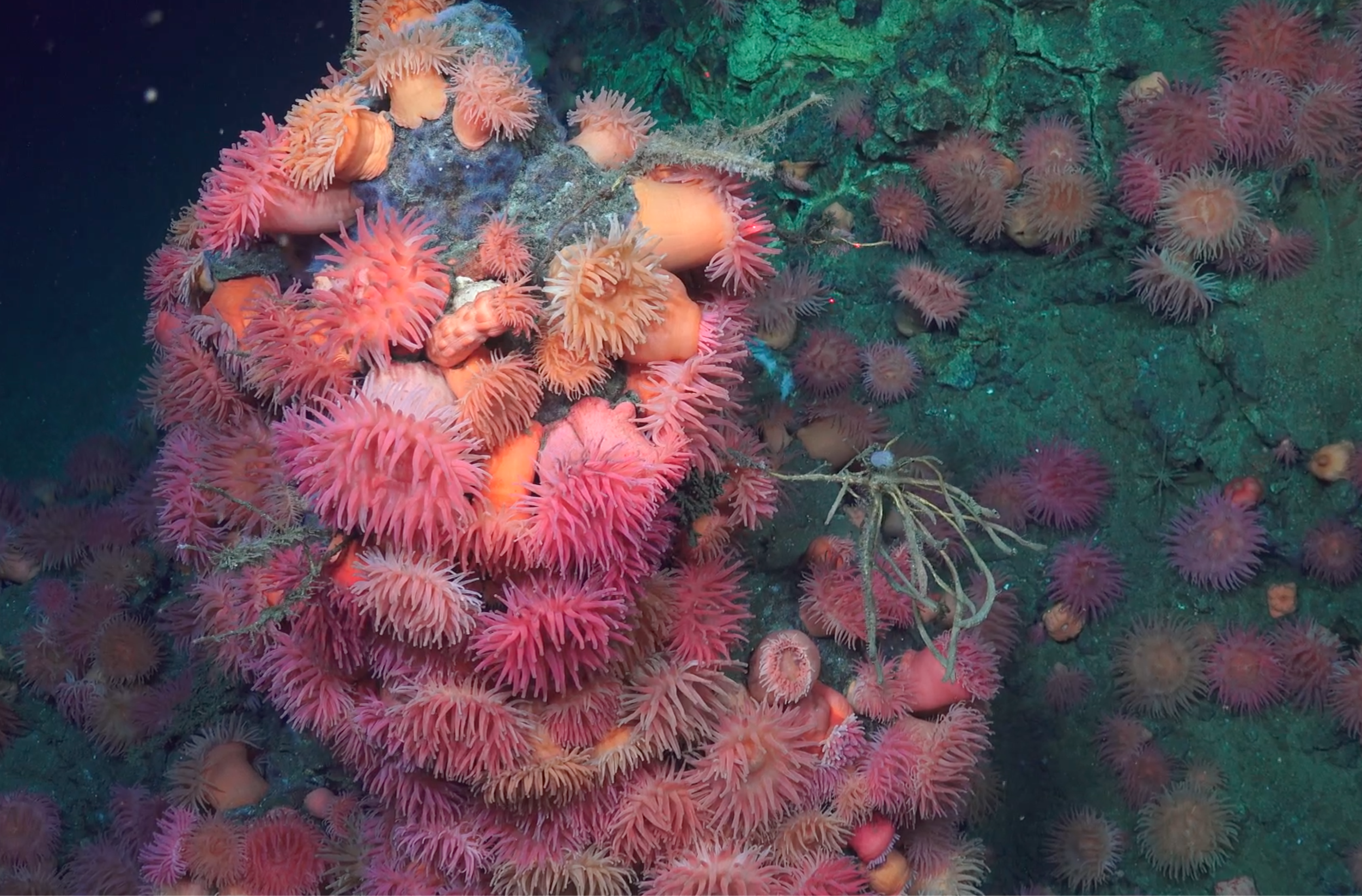
Photo: ROV ÆGIR6000 (NORMAR), Centre for Deep Sea Research (University of Bergen).About DSBS
The 18th Deep-Sea Biology Symposium (DSBS) will bring the international deep-sea biology community together in Bergen, Norway in 2028. Returning to Scandinavia for the first time in 37 years, the symposium will gather deep-sea biologists working across disciplines to share their knowledge in the field, from taxonomy, genomics and ecosystem functioning to policy, technology, science communication and the arts. Held during One Ocean Week from 23-28 April 2028, the symposium will also connect deep-sea science with the wider public, policymakers and ocean stakeholders. The symposium is jointly organised by the University of Bergen, the Institute of Marine Research and NORCE, with support from the Deep Sea Biology Society. We look forward to welcoming you all to Bergen soon!


The Local Organizing Committee for 18DSBS
-
Dr. Riley Meyer
Institute of Marine Research
Riley Meyer is a deep-sea ecologist with expertise in characterising arctic benthic communities on the Arctic Mid-Ocean Ridge. Their work in the MAREANO Programme involves image analysis, ROV/AUV planning, habitat mapping, and biotope classification. Their work takes them from the deepest Norwegian Fjords to beyond the Arctic Mid-Ocean Ridge in the Norwegian and Greenland Seas. -
Dr. Rebecca Ross
Institute of Marine Research
Rebecca Ross is a deep sea benthic ecologist that largely focusses on providing management-relevant ecology for sustainable development. She has expertise in biotope classification, predictive species/habitat distribution modelling, larval dispersal modelling, and image analysis, with some emphasis towards method development and optimising survey techniques. -
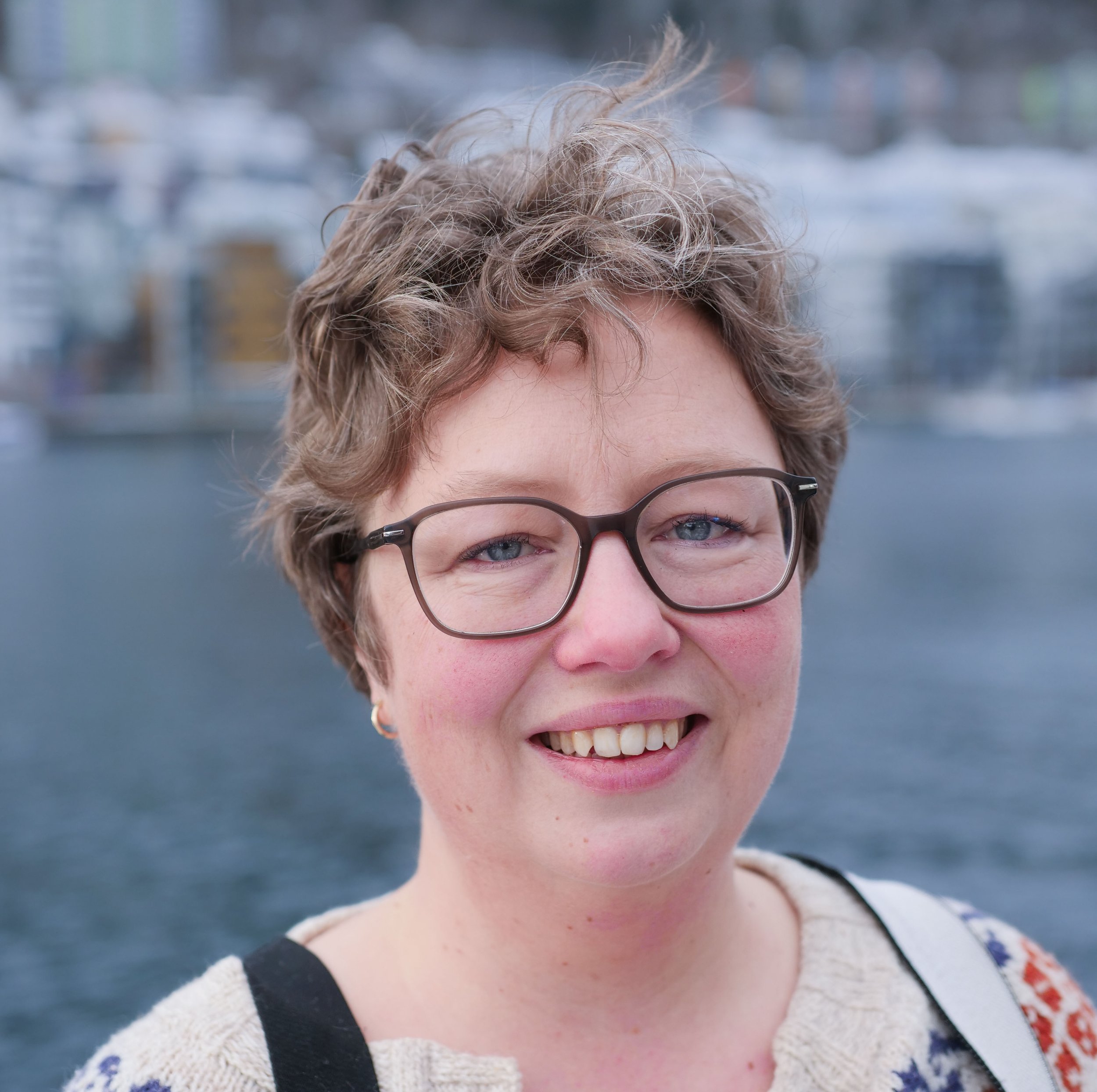
Dr. Mari Heggernes Eilertsen
Department of Biological Sciences and Centre for Deep Sea Research, UiB
Mari H. Eilertsen's work focuses on chemosynthesis-based ecosystems in the Arctic deep sea, including hydrothermal vents, cold seeps, and organic falls. Her work spans taxonomy, biogeography, genetic connectivity, and evolutionary history. -
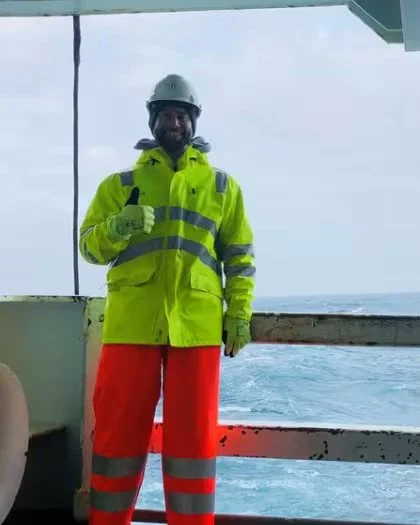
Prof. Nicolas Straube
University Museum of Bergen
Nicolas Straubes research foci lie on deciphering the phylogeny and systematics of deep-sea sharks, where he is making use of morphological and phylogenomic methods (including sequencing of preserved museum material) to explore adaptation, diversity, phylogeography and population structures in present and past. -
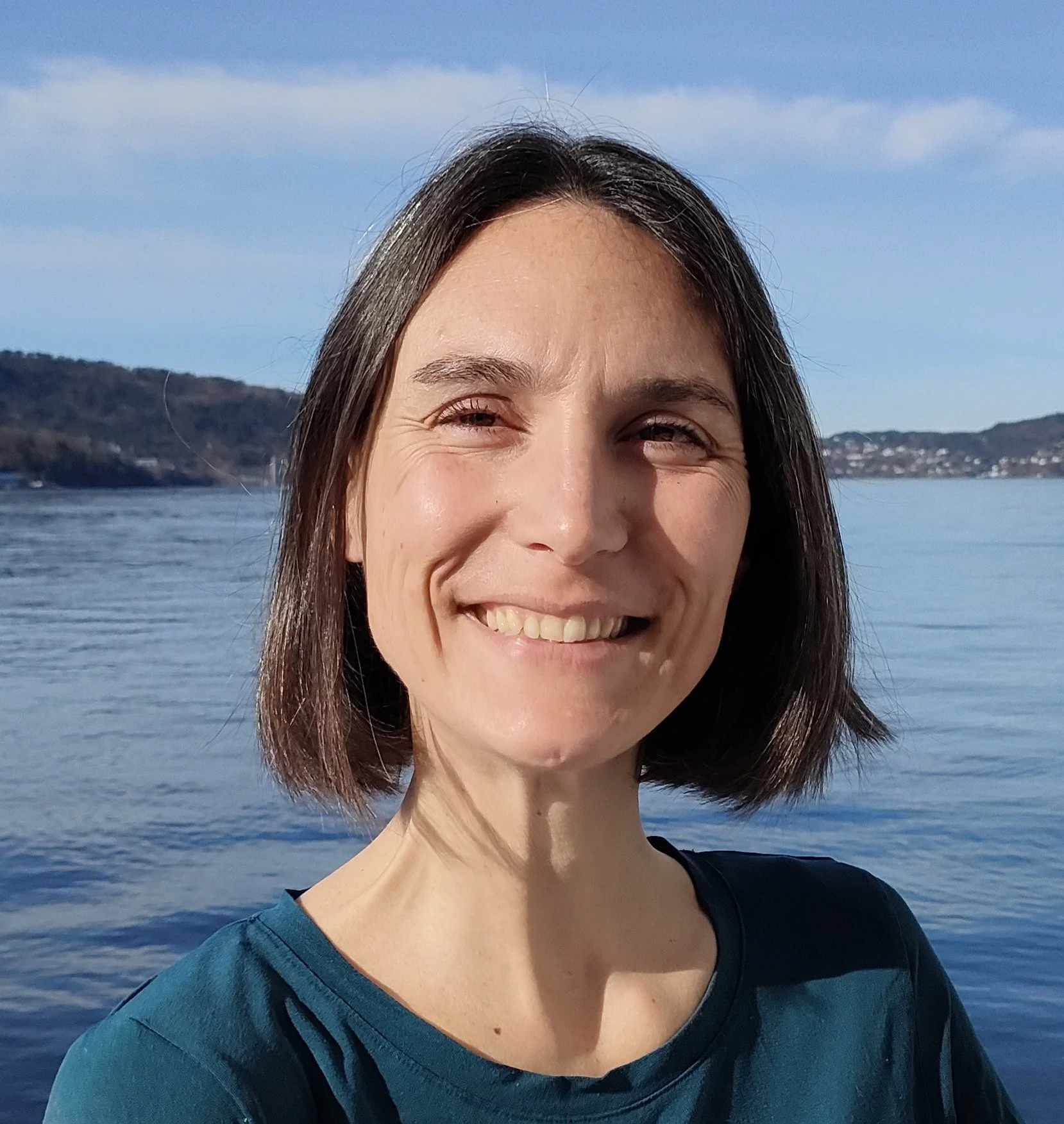
Dr. Miriam Brandt
NORCE Research
Miriam Brandt is a marine molecular ecologist working on environmental DNA applications for marine environmental monitoring - from coastal to deep sea ecosystems. -
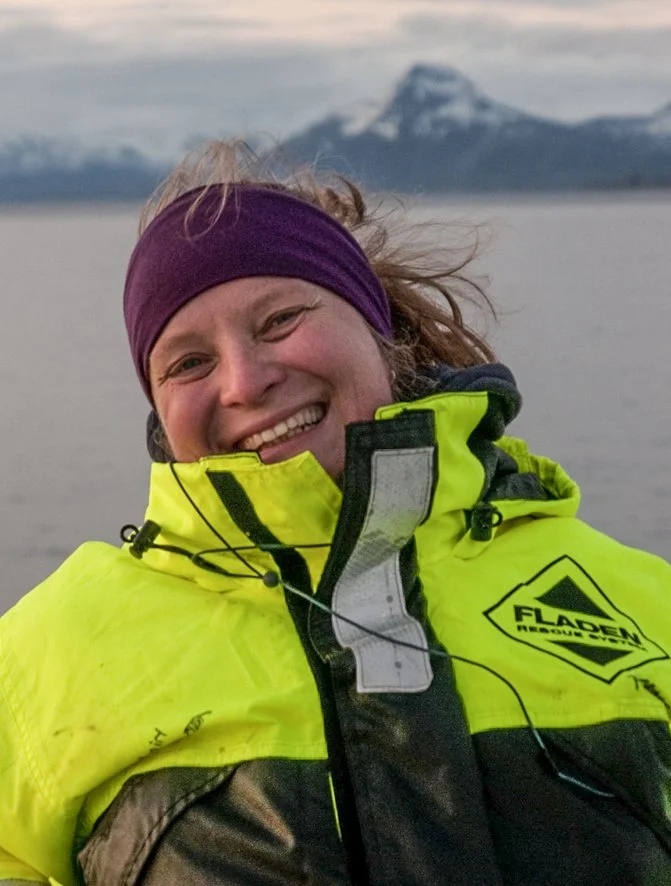
Dr. Anne Helene S. Tandberg
University of Bergen, University Museum
Anne Helene S. Tandberg is a crustacean taxonomist and deep-sea ecologist studying animals from extreme environments — the cold waters of the deep sea and polar regions, and the hot waters of hydrothermal vents. This interest in extreme ecosystems has also led her into conservation work, including contributions to Red List assessments.
The Scientific Advisory Board
-
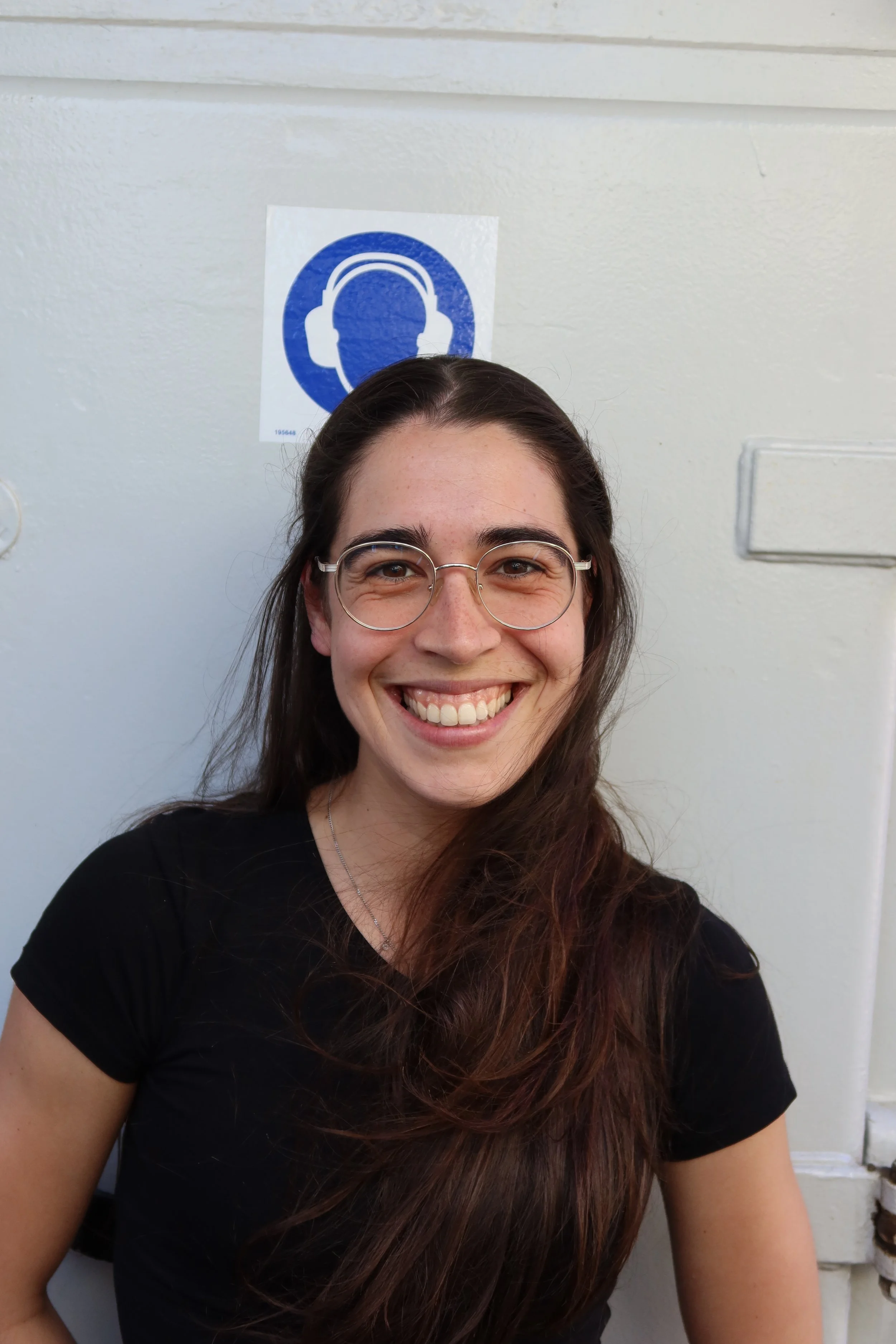
MSc Carolina Ventura
CIIMAR - Interdisciplinary Centre of Marine and Environmental Research
Carolina Ventura is a benthic ecologist currently working as a marine Data Steward. Her work involves managing the entire lifecycle of deep-sea data, ensuring it is well-documented, accessible, and reusable aligned with FAIR principles and Open Science. -
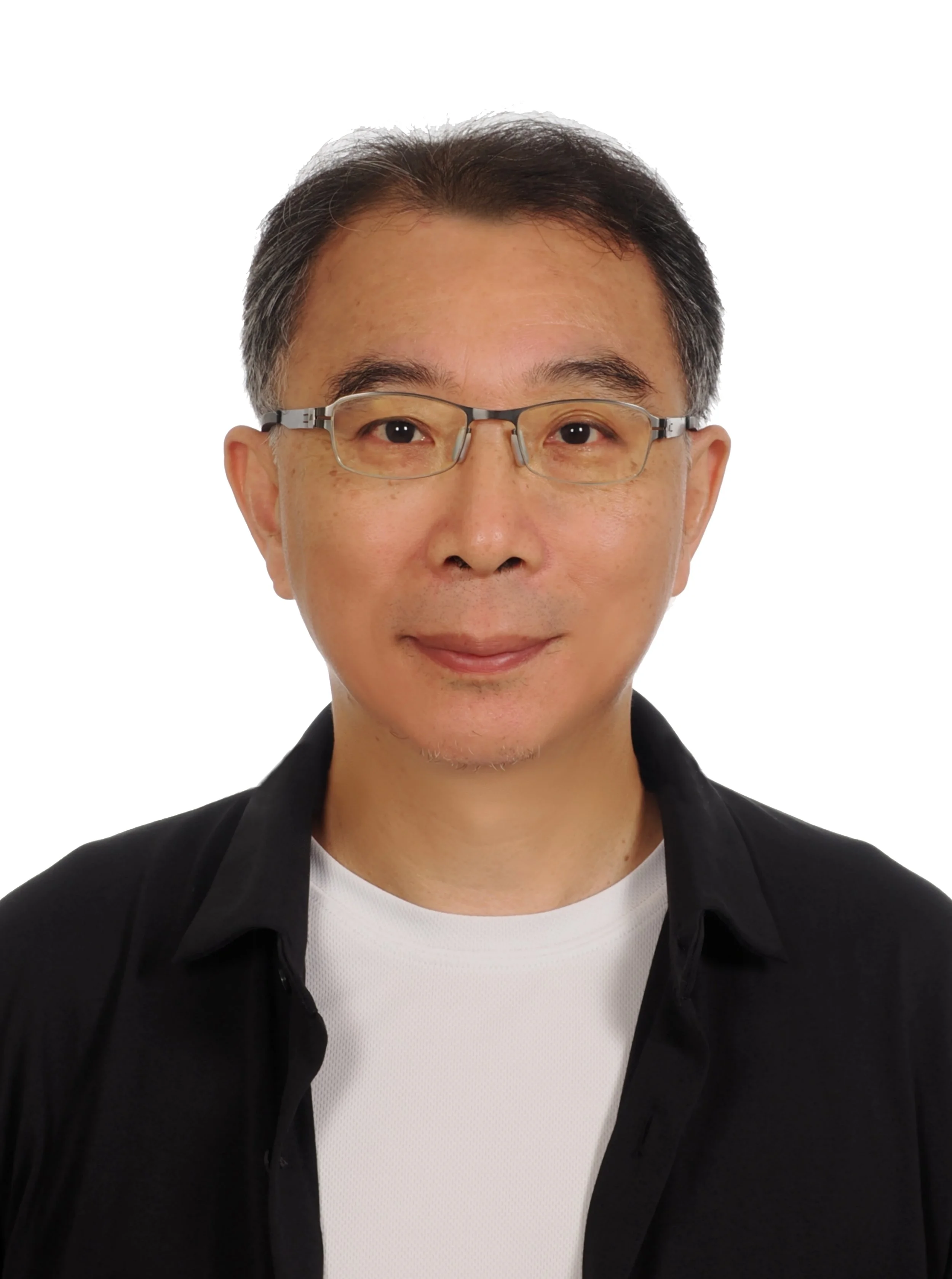
Prof. Wei-Jen Chen
Institute of Oceanography, National Taiwan University
Wei-Jen Chen integrates advanced tools, including genomics, eDNA, and ROV imaging, with traditional approach in morphology within a phylogenetic framework to study organismal diversity (especially in deep-sea ecosystems) and the mechanisms underlying evolution. His recent work also extends to marine conservation.
-
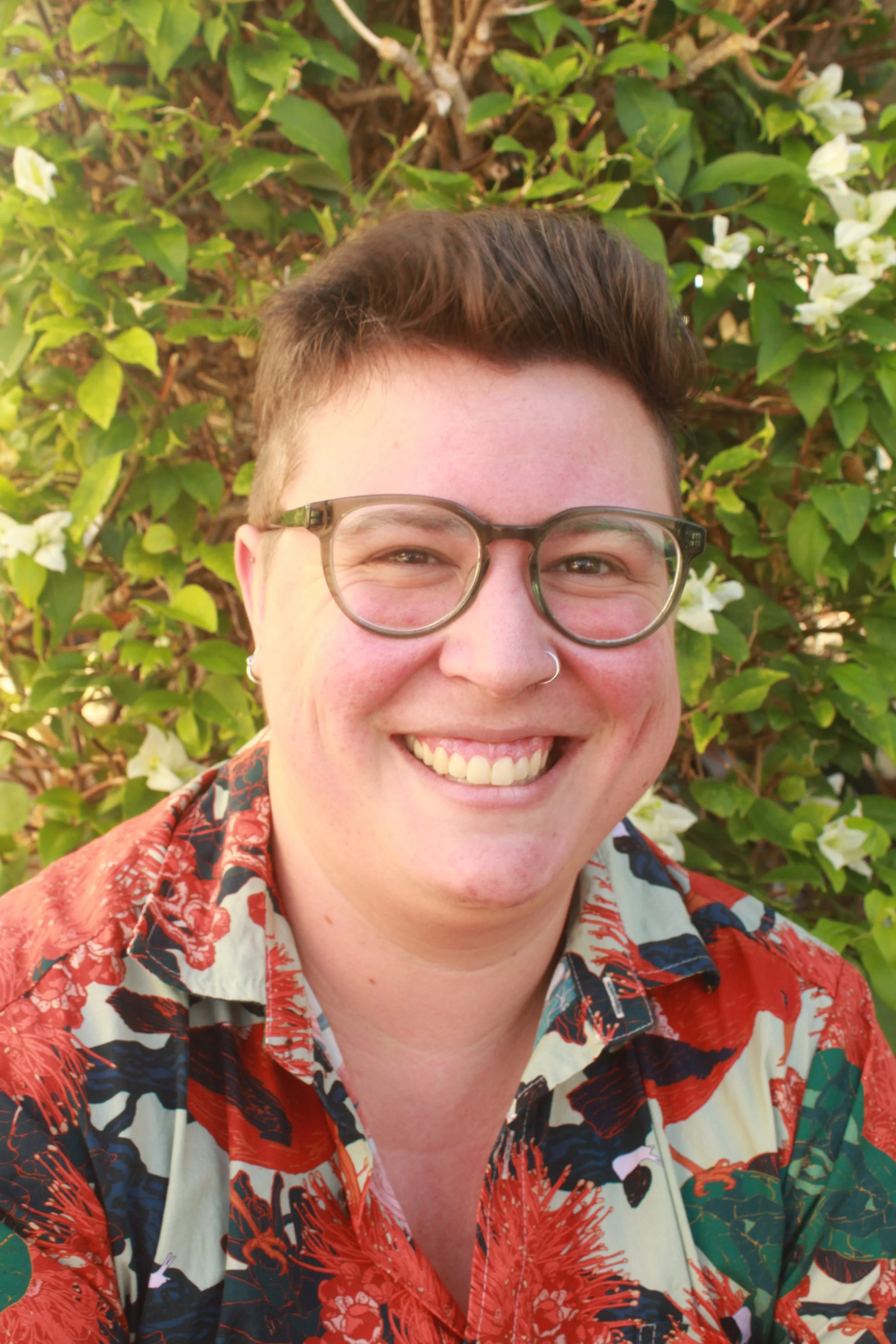
Dr. Lee Miller
Monterey Bay Aquarium Research Institute
Lee Miller is a deep-sea ecologist studying interactions between microbial and metazoan communities. They are interested in how microbial communities associated with animals and animal-derived material influence carbon export and other important ocean processes.
-
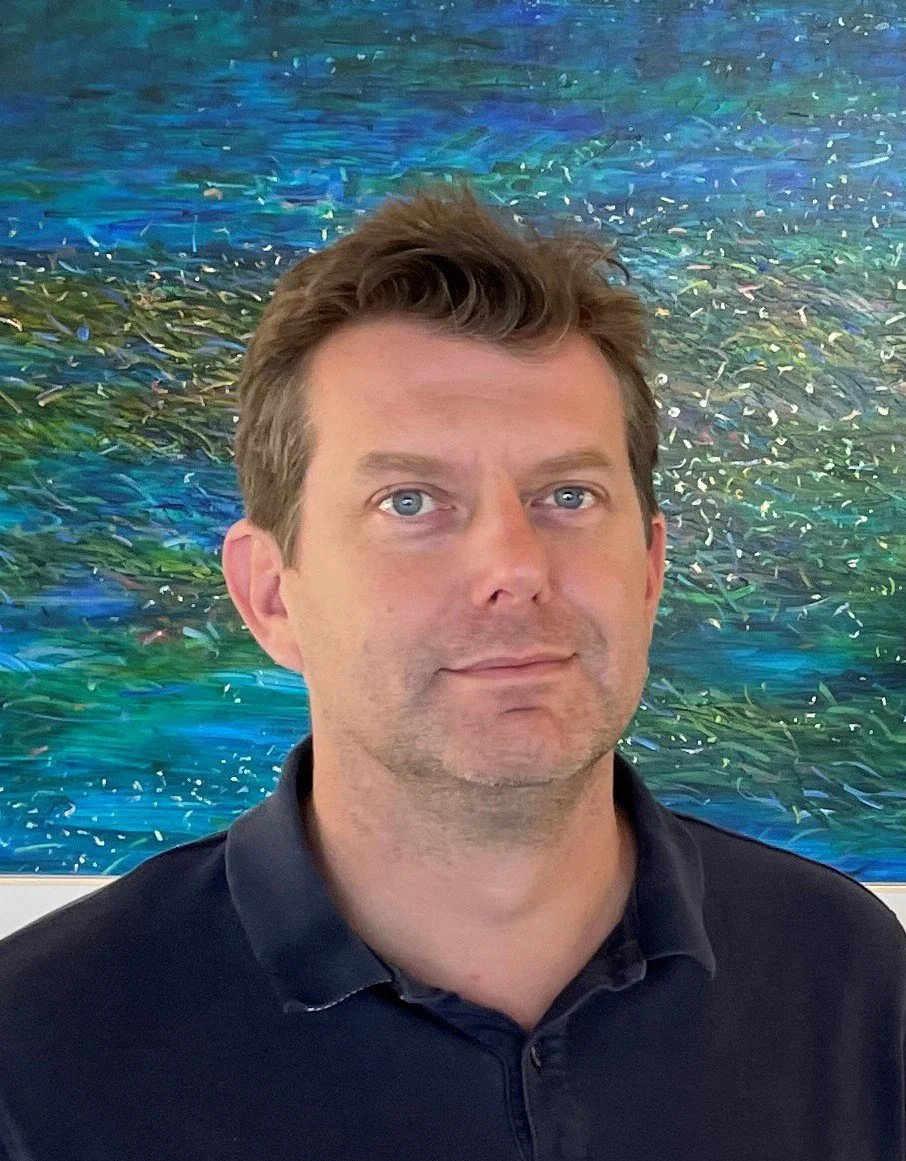
Prof. Alan Jamieson
Inkfish
Alan Jamieson researches the biodiversity and ecology of hadal ecosystems (trenches, fracture zones etc) using a full ocean depth submersible and a fleet of of autonomous platforms.
-
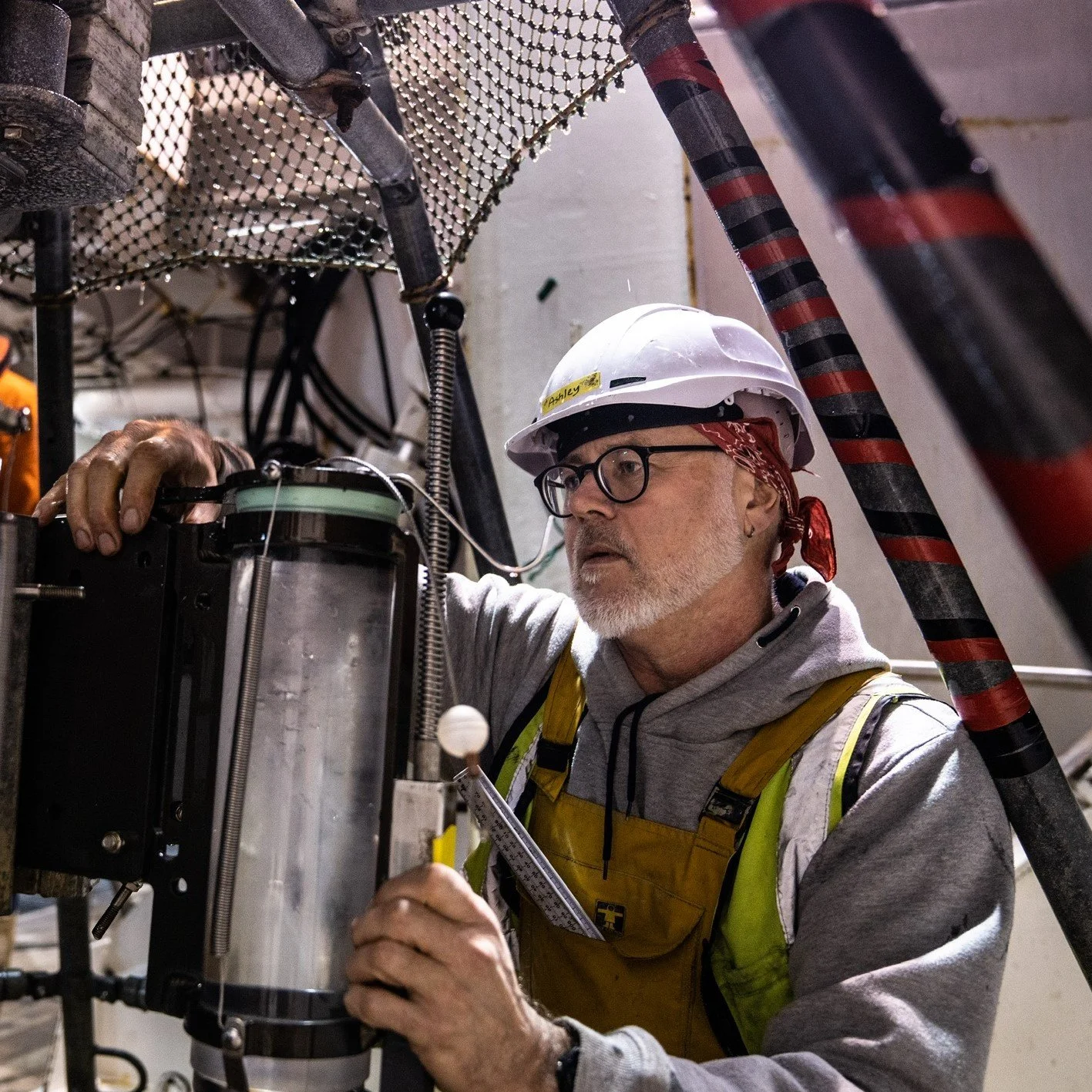
Prof. Ashley Rowden
Earth Sciences New Zealand and Victoria University of Wellington
Ashley Rowden is interested in exploring the relationships between the biodiversity of benthic fauna and habitat heterogeneity, productivity and disturbance. His research has focused mainly on deep-sea ecology, with applications to environmental conservation and management issues.
-
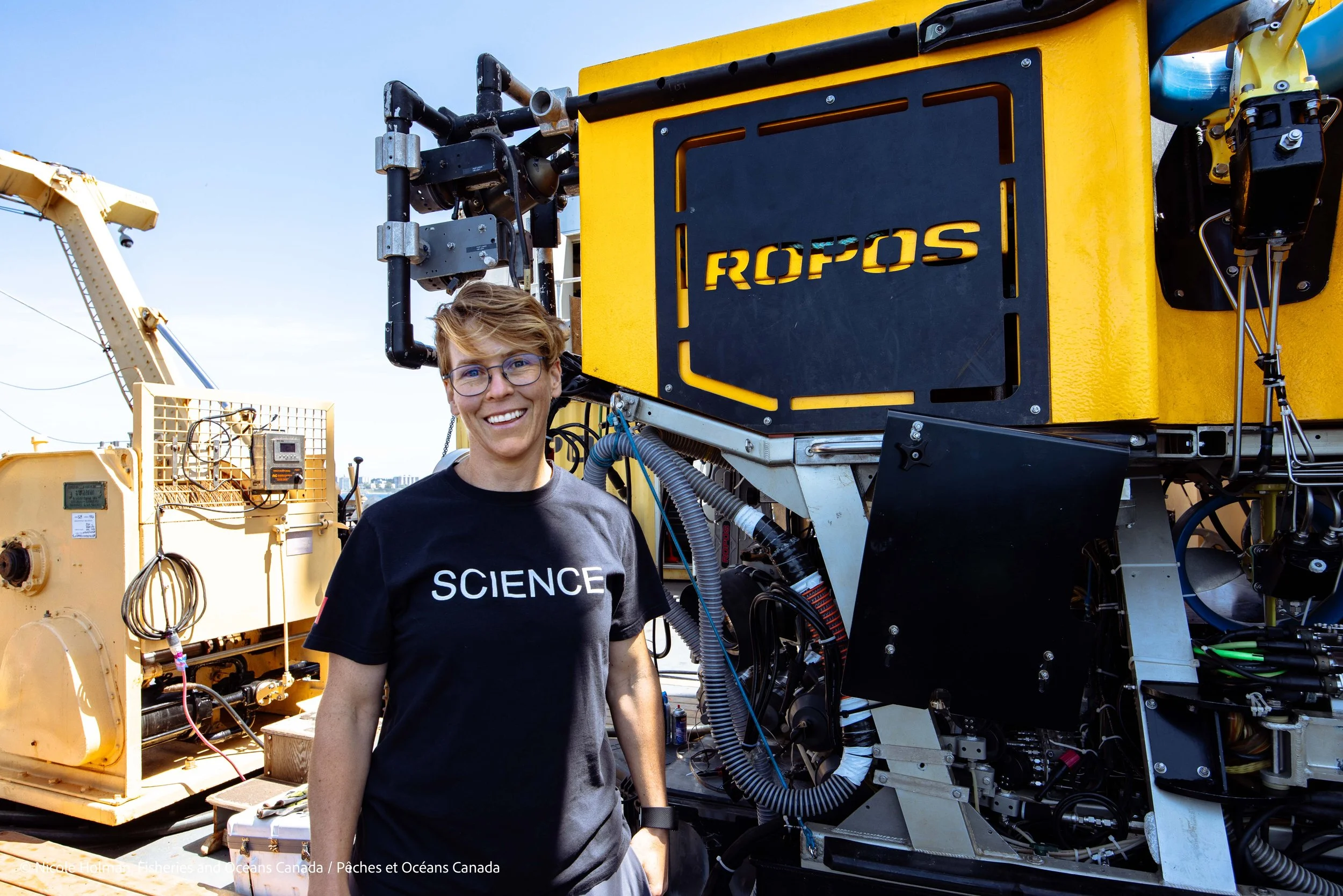
Dr. Cherisse Du Preez
Fisheries and Oceans Canada, University of Victoria, NEPDEP
Cherisse Du Preez documents and maps deep benthic ecosystems to understand their natural state and how human activities—fishing, mining, and carbon storage—affect them. Her research supports Marine Protected Areas safeguarding seamounts, vents, seeps, and coral and sponge habitats in the Northeast Pacific, in partnership with Indigenous Nations. She is also a passionate science communicator.
-
Dr. Kirsty McQuaid
Nelson Mandela University
Kirsty McQuaid is a South African deep-sea benthic ecologist, with expertise in abyssal nodule systems, habitat classification, and deep-sea research capacity development. Kirsty’s primary focus is on strengthening Africa’s deep-sea research community through the African Network of Deep-water Researchers.
-
Prof. Paulo Sumida
University of São Paulo
Paulo Sumida is a deep-sea benthic ecologist working mainly on organic falls, deep-water corals and Antarctica.
-
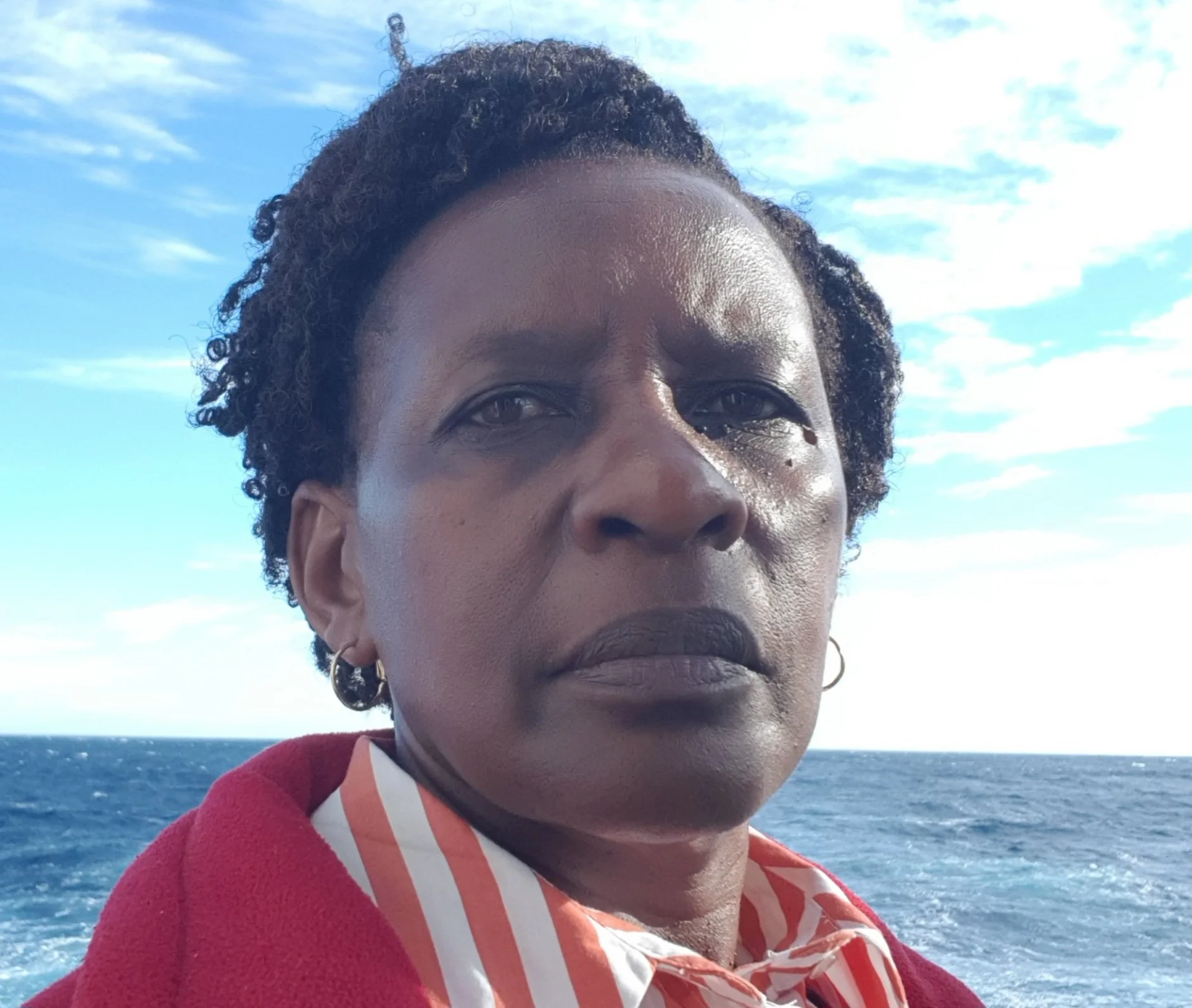
Prof. Agnes Muthumbi
University of Nairobi
Agnes Muthumbi is a professor at the Department of Biology, University of Nairobi, Kenya. She is a marine biologist specialising in benthic ecology and specifically meiofauna - marine nematode identification and marine microplastics contamination studies.
-
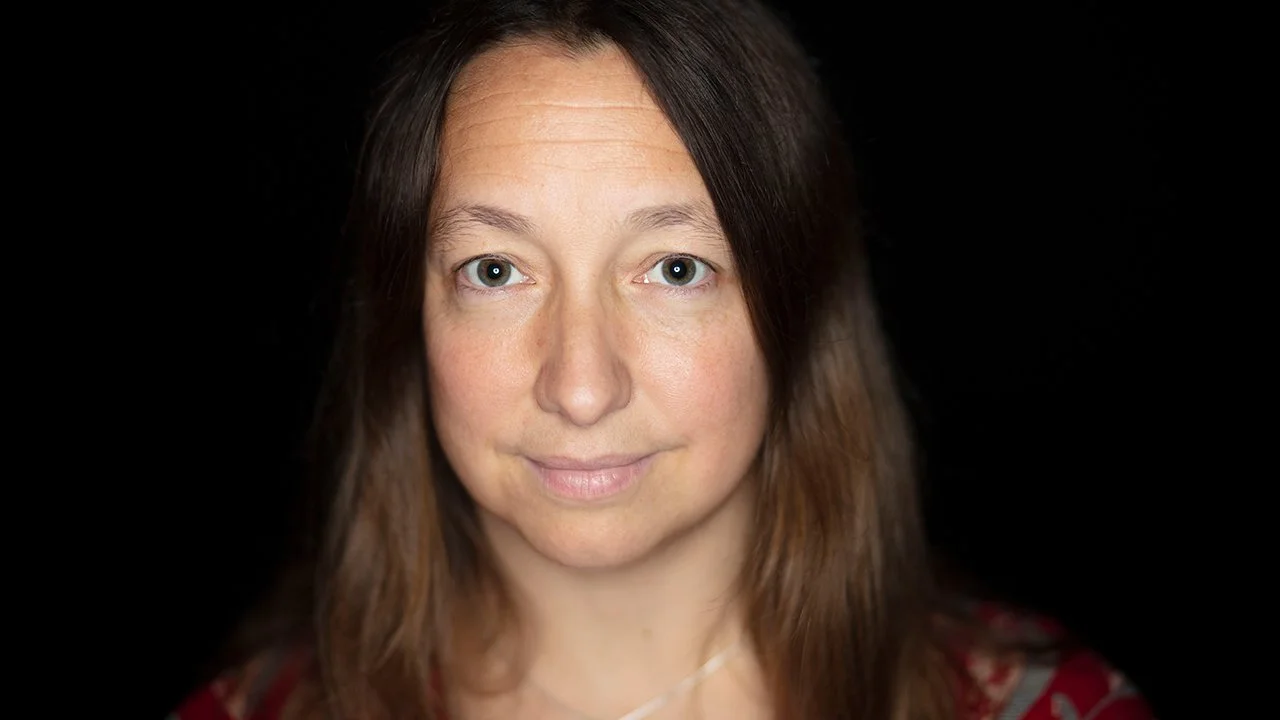
Prof. Kerry Howell
Plymouth Marine Laboratory / University of Plymouth
Kerry Howell has expertise in seafloor imagery acquisition and analysis, predictive modelling of species distributions, habitat mapping, and the application of deep-learning to image analysis. Kerry’s research has been focused on sustainable management of the deep-sea ecosystem and design of national and international marine protected area networks.
-
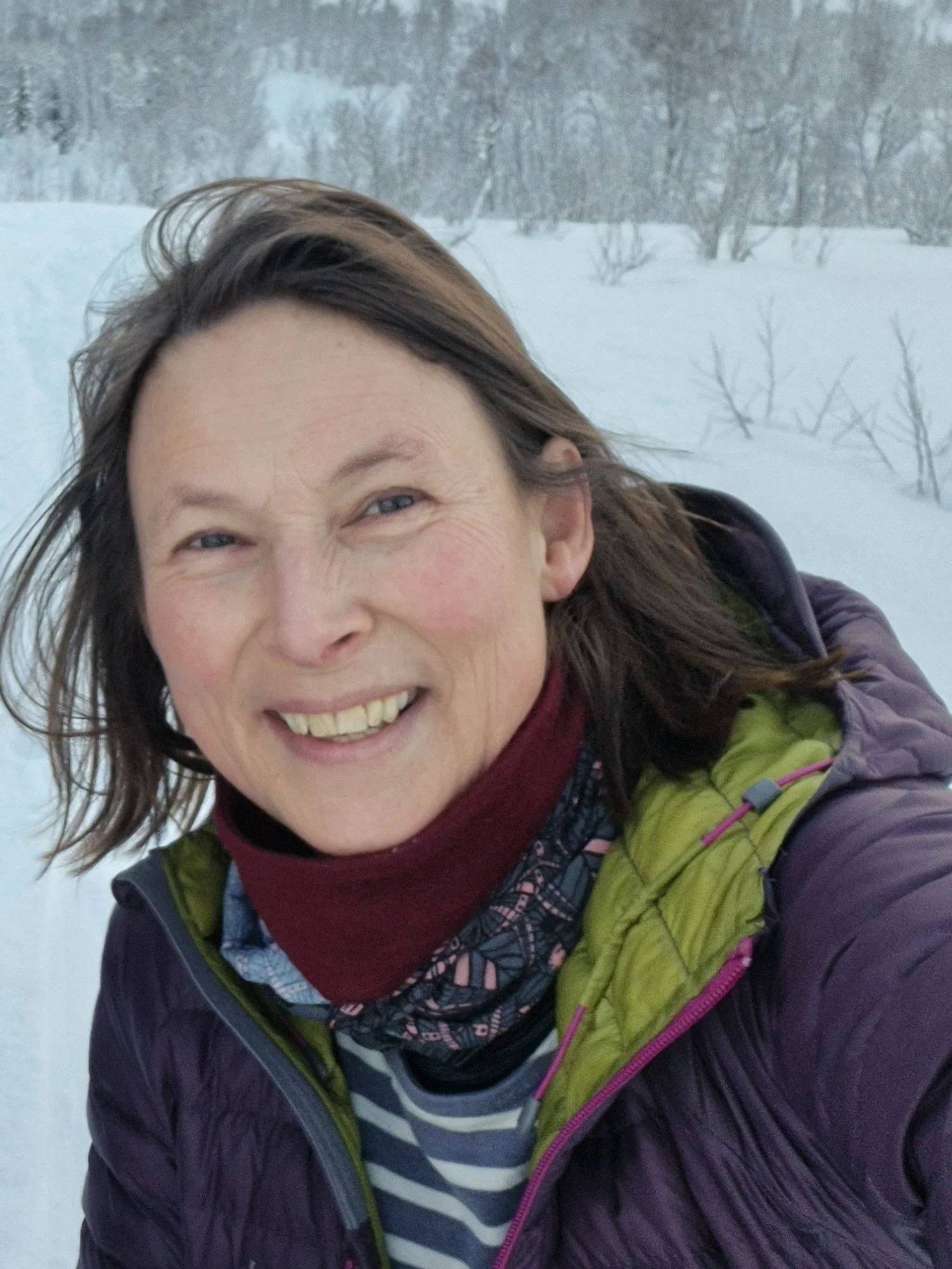
Prof. Bodil Bluhm
UiT - The Arctic University of Norway
Bodil Bluhm is an Arctic marine ecologist with a research focus on benthic biodiversity and ecosystem functioning, cryo-pelagic-benthic coupling, and life cycles. She conducts her work from Arctic coasts to the Central Arctic Ocean.
-
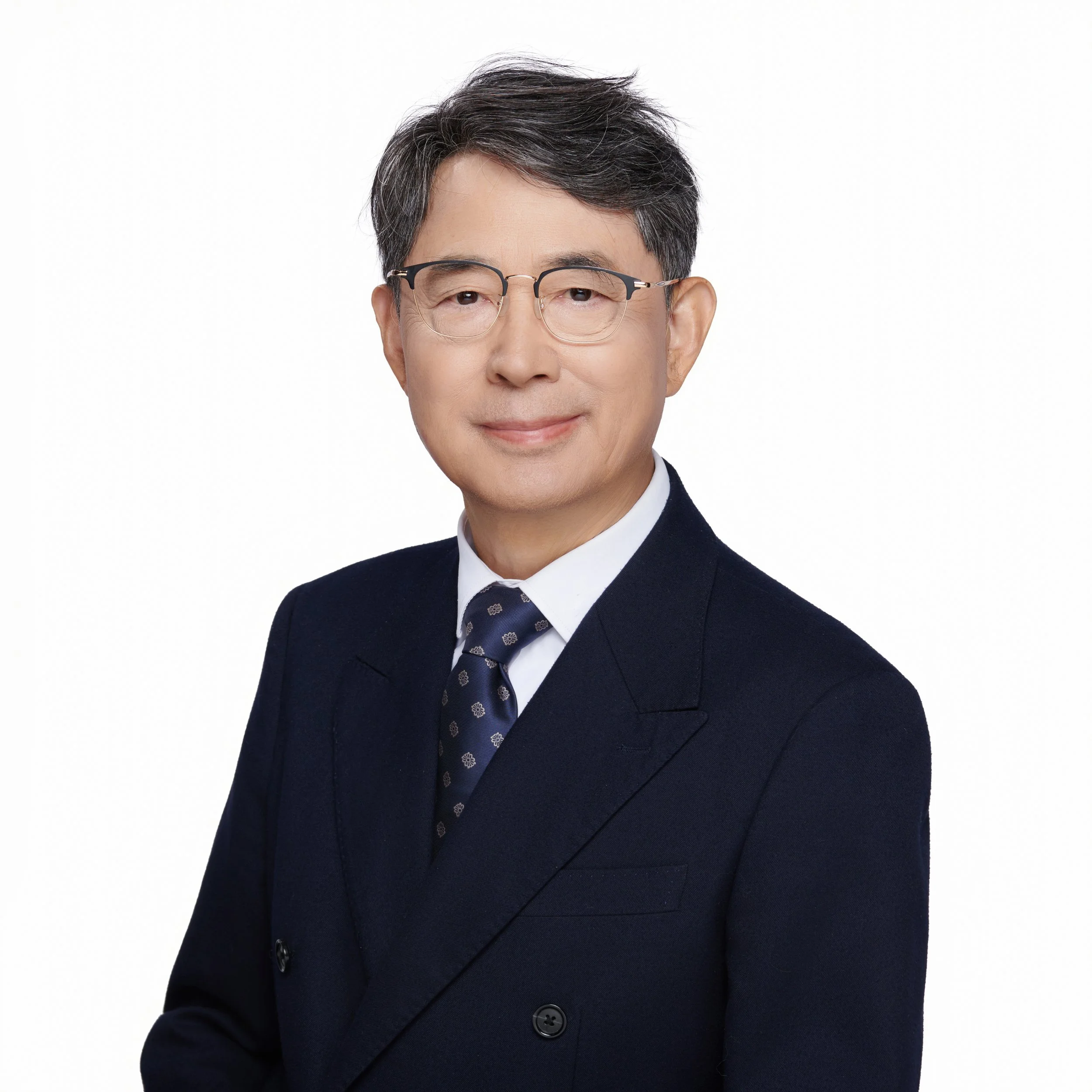
Prof. Pei-Yuan Qian
Hong Kong University of Science and Technology
Pei-Yuan Qian researches the deep-sea hologenome, the chemical and microbial signals that shape symbiont interactions, and adaptation of deep-sea animals to hydrothermal vent and cold seep environment.
-
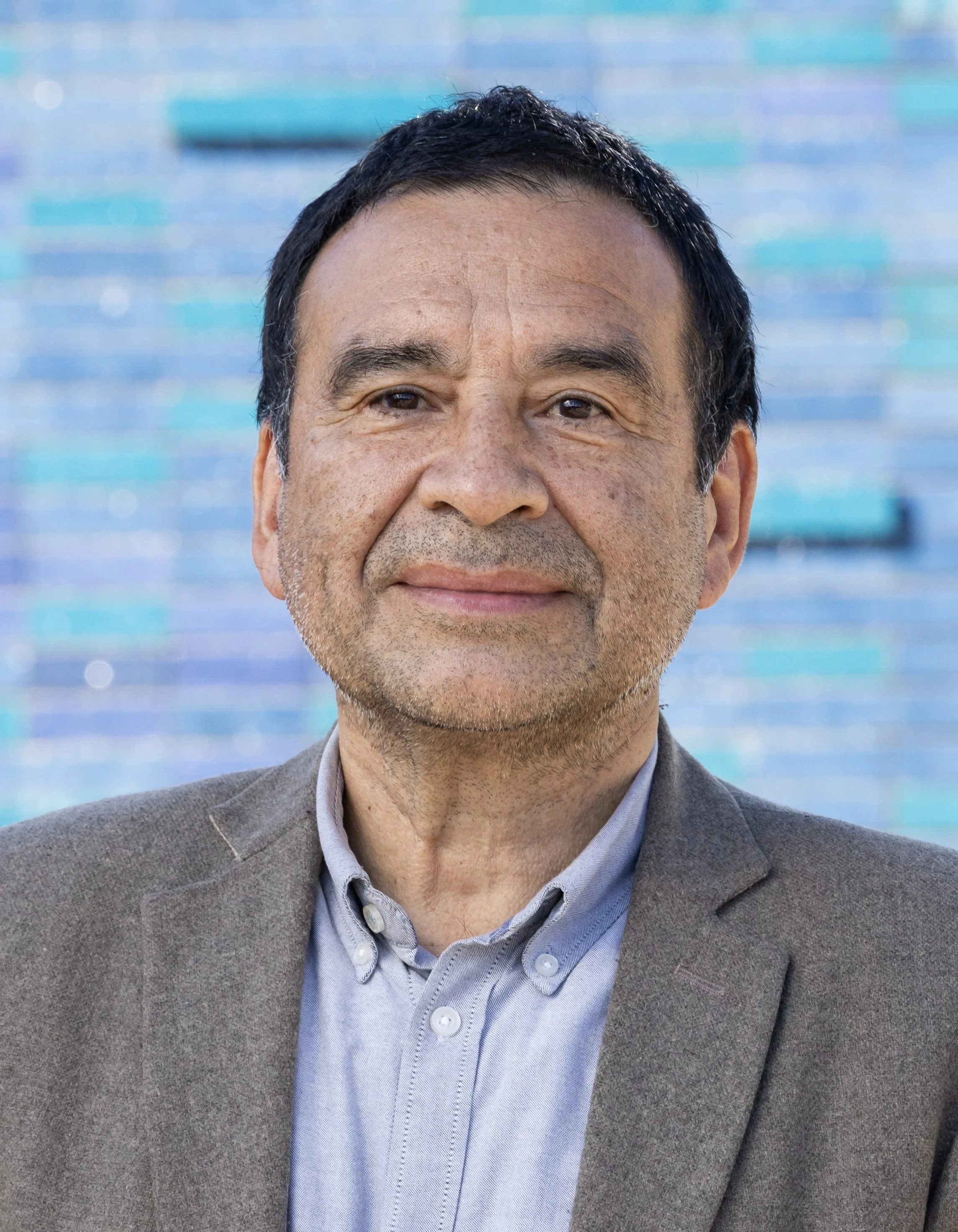
Prof. Osvaldo Ulloa
Universidad de Concepción
Osvaldo Ulloa's work focuses on biological oceanography, microbial ecology, (environmental) genomics, and biogeochemistry of oxygen minimum zones and the deep ocean, including hadal trenches.
-
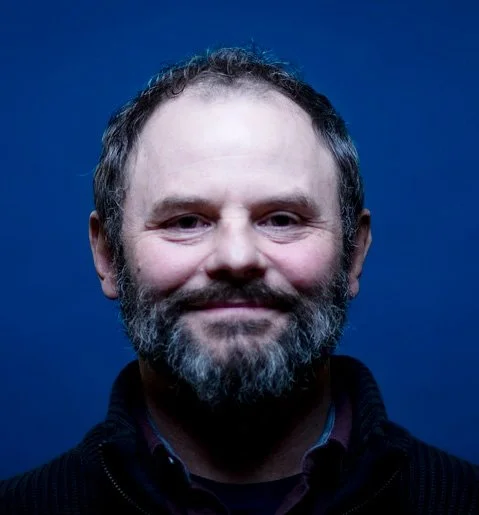
Prof. Erik Cordes
Temple University
Eric Cordes is a deep-sea oceanographer specializing in cold-water coral and hydrocarbon-seep ecology. He works at all levels from the genome to the ecosystem to investigate the connections among species and their habitats, fostering interdisciplinary collaborations to communicate these findings and protect the deep ocean.
-
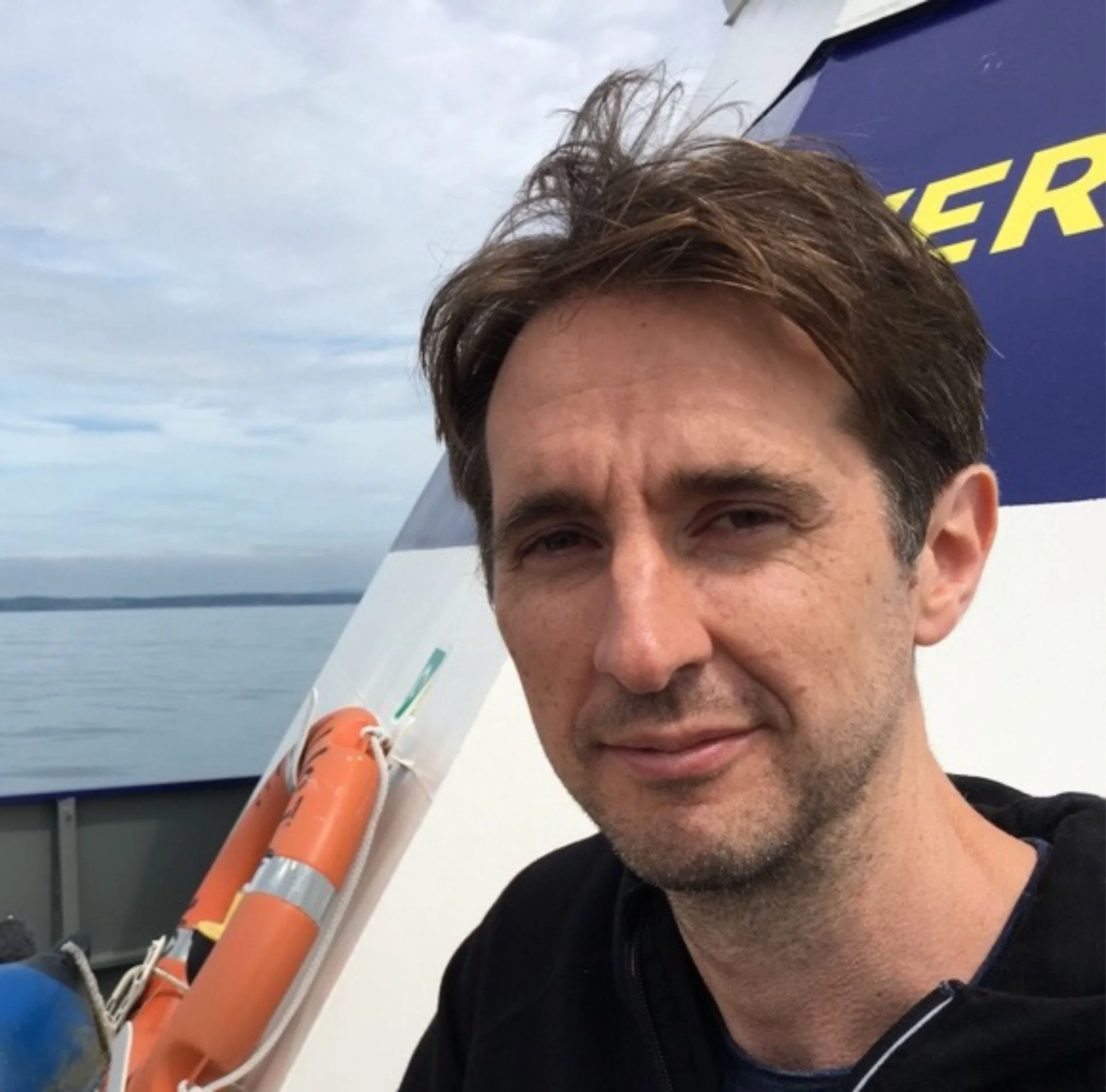
Prof. Adrian Glover
Natural History Museum, London
Adrian Glover is a deep-sea biologist studying the biodiversity, systematics, ecology and evolution of deep-ocean ecosystems. His research combines taxonomy, molecular approaches and seafloor surveys to understand patterns of biodiversity and ecological processes in the deep sea, with applications to ocean conservation and sustainable management.